Last Updated on December 19, 2025 by Eric Bonneman
Winter might have a reputation for slow fishing elsewhere, but around Crystal River, late December through January are one of the most dynamic months of the year. The water’s clear, the tides are manageable, and the fish are piled up in all the right places—if you know where to look.
Don’t Let the Cool Weather Fool You—The Bite’s Still Hot
In late December and January, fish are locking into winter holding zones. Water temps hover in the low 60s, especially after a couple cold mornings, and that changes how Crystal River game fish species behave across the board.
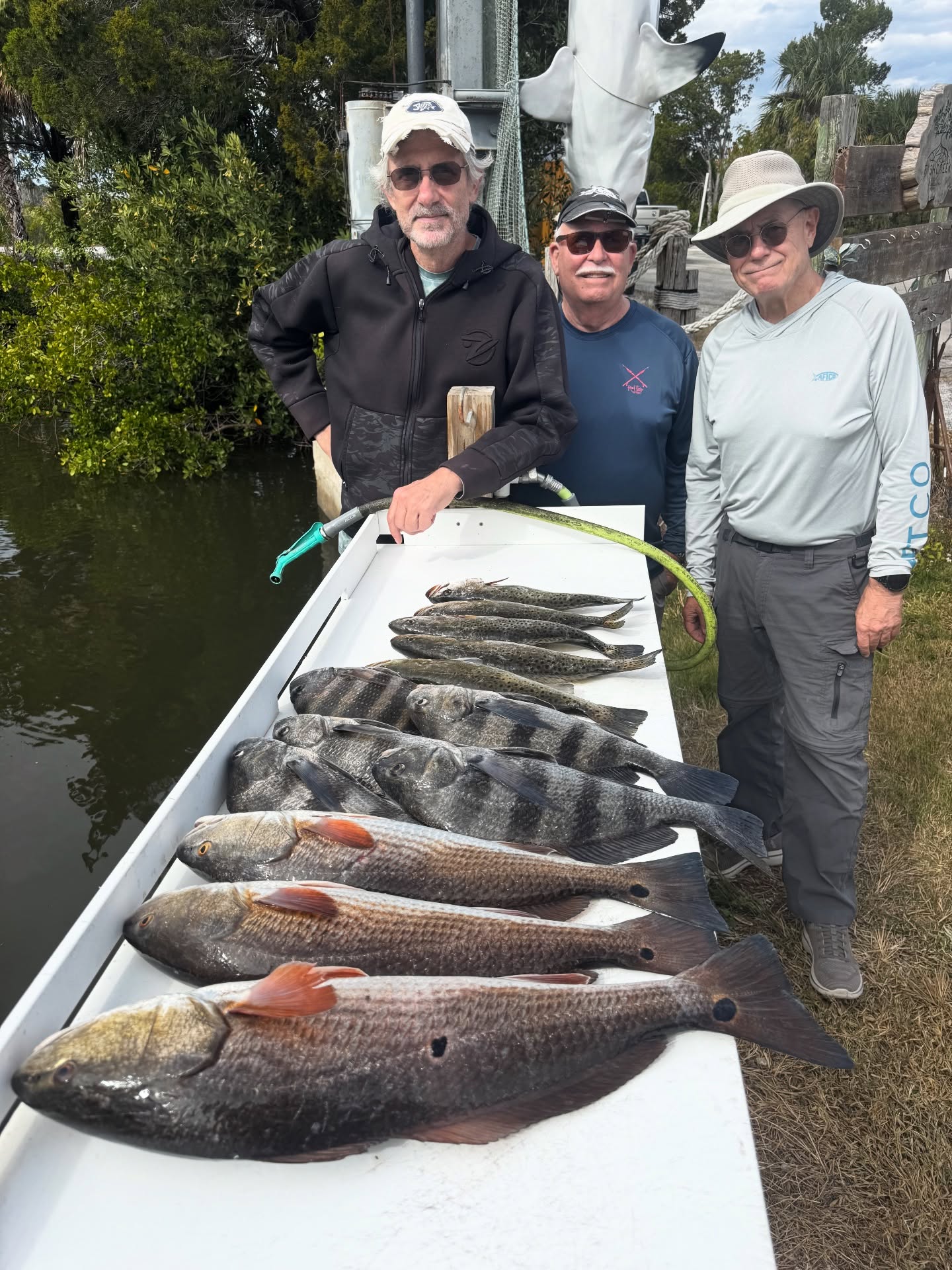
Redfish tend to stick tighter to deeper holes, spring outflows, or darker bottom areas that warm quicker during the day. Trout show up around sandy dropoffs, especially near grass edges where sunlight penetrates. Meanwhile, sheepshead keep thickening up on the rocks as spawning gets closer, and black drum cruise through in small pods, especially near the channel edges and spoil banks.
Here’s what you can legally keep—or need to release—around Crystal River right now. Always confirm with FWC before heading out:
- Sheepshead: Open year-round. 12″ minimum size, 8 per person daily.
- Mangrove Snapper: Open year-round. 10″ minimum. 5 per person daily in state waters (counts toward snapper aggregate limit).
- Redfish (Red Drum): Open year-round. Slot 18–27″. 1 per person daily in this region.
- Spotted Seatrout: Open year-round. Slot 15–19″. 3–5 fish per person daily, depending on zone.
- Black Drum: Open year-round. Common slot 14–24″. 5 per person daily, 1 over-slot fish allowed.
- Gag Grouper: Closed to harvest. Catch-and-release only until the season reopens.
📱 Tip: Visit FWC to confirm all size, bag limits, and zone rules before your trip.
Sheepshead Stacks & Snapper on Structure
Sheepshead are piling up on the rocks this time of year, crushing barnacle‑covered crustaceans and making predictable bottom structure a great place to throw bait. Mangrove snapper are also biting consistently and are open to harvest year‑round, giving you a solid chance to bring home some keeper fish when limits allow.

Both species hit live and cut baits well and tend to stick close to the same rock piles and ledges that hold other structure fish. Best part is you don’t need perfect weather to make fishing trips like this work. Even on chillier mornings, the bite stays consistent if the tide’s right and the current’s moving.
Sheepshead (Archosargus probatocephalus) are part of the porgy family and are built to feed in exactly the kind of terrain we have off Crystal River — oyster bars, rocky bottom, dock pilings, and limestone ledges. Their teeth are designed for scraping barnacles, chewing crabs, and cracking open small mollusks. That’s why fiddler crabs, shrimp, and sand fleas work so well as bait: they’re matching the forage sheepshead are literally built to eat.

This time of year, especially from late December through February, sheepshead start staging for their pre-spawn and become even more aggressive feeders. Water temps between 58–64°F are good, and they’ll group up tighter as that cold weather pattern sets in. The trick to catching them is presentation and patience—small hooks (size 1 or smaller), fluorocarbon leader, and just enough weight to stay in the strike zone without spooking them. You’ll feel that tap-tap and need to drive the hook hard, because their bite is quick and their mouths are tough.
Mangrove snapper (Lutjanus griseus) are also structure-oriented and stay active through the winter as long as baitfish or crustaceans are in the area. Unlike sheepshead, they’re a bit more mobile in the water column and will dart up to hit baits if they see movement. These fish rely more on vision than scent, so smaller baits like shrimp tails or finger mullet rigged tight to the hook get more action than big chunks.
The 10″ minimum size can sometimes be a challenge inshore, but out on nearshore ledges in 15–25 feet, you can get into consistent 12–14″ fish on a moving tide. They’re opportunistic, and in cooler water, they tend to bunch up tight to ledges, which is why casting directly parallel to structure and letting the bait drift down naturally often gets more bites than dropping straight on top.
Structure Fishing Bonus: Black Drum in the Mix
When we’re fishing rocks and ledges this time of year, it’s not just sheepshead and snapper down there. Black drum often stage in the same areas, especially if the tide’s moving and the bait is thick. These fish hit shrimp, crab, and cut bait and put up a bulldog fight when they’re in the 6–10 lb range—sometimes much bigger. You’ll know when you hook one.
Every now and then, we’ll even pick up a few bonus species that aren’t always on the radar — especially when we’re soaking baits around deeper rock piles.
Extreme Shallow Reds & Backwater Targets
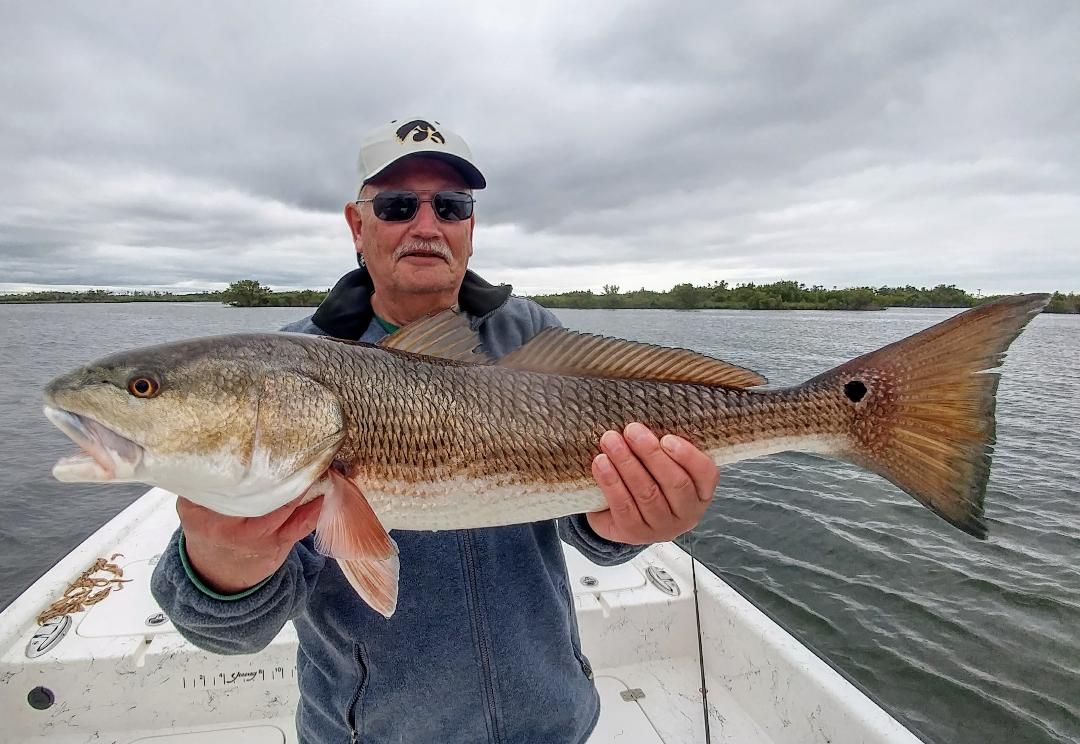
As water levels drop, redfish, trout, black drum, and flounder get forced into tighter zones with fewer exit routes—springs, mud holes, channel bends—anywhere that holds warmth and bait. That means fewer places to hide and more chances to sight-cast in shallow water.
This is where we take guests into the marsh, the mangroves, and the backwater maze. Fish are easier to locate on shallow flats, in potholes, and around spring runs, which opens up some of the best sight‑casting opportunities of the year.
Redfish (Sciaenops ocellatus) are incredibly responsive to subtle environmental changes in the winter. In the Crystal River area, extreme low tides—especially during new or full moons—can expose entire flats and drain marsh creeks down to bare mud, pushing reds into the remaining deeper water like spring-fed holes, creek bends, or undercut mangrove edges. This creates perfect ambush conditions and makes sight-fishing more “surgical.”

What really defines winter redfishing here is temperature and sunlight. When the sun gets up and starts warming dark bottom areas, redfish will slide back up onto skinny flats to feed, sometimes in water so shallow their backs are out. They feed mainly by rooting along the bottom for small crabs, shrimp, and pinfish, so you’ll often see a subtle push or wake before the strike.
They’re built for this kind of stuff—broad tails for shallow propulsion and eyes set high on their heads for upward visibility. In super clear water, even a slight shadow or clunky presentation can send them darting. That’s why we often run 30 lb or lighter fluorocarbon, keep casts low, and emphasize quiet approaches, especially in a skiff or when poling the edge of a pothole.
Winter Flats Game: Sight Fishing Trout and Flounder
While redfish and drum get most of the attention in the backcountry, don’t overlook the spotted seatrout bite in January—especially on clear flats during calm, sunny mornings. Trout will stack up around spring runs and grass edges, where they wait to ambush bait in just 1–3 feet of water. Twitch baits, shrimp rigs, or light jigs will all draw hits when they’re staged up.
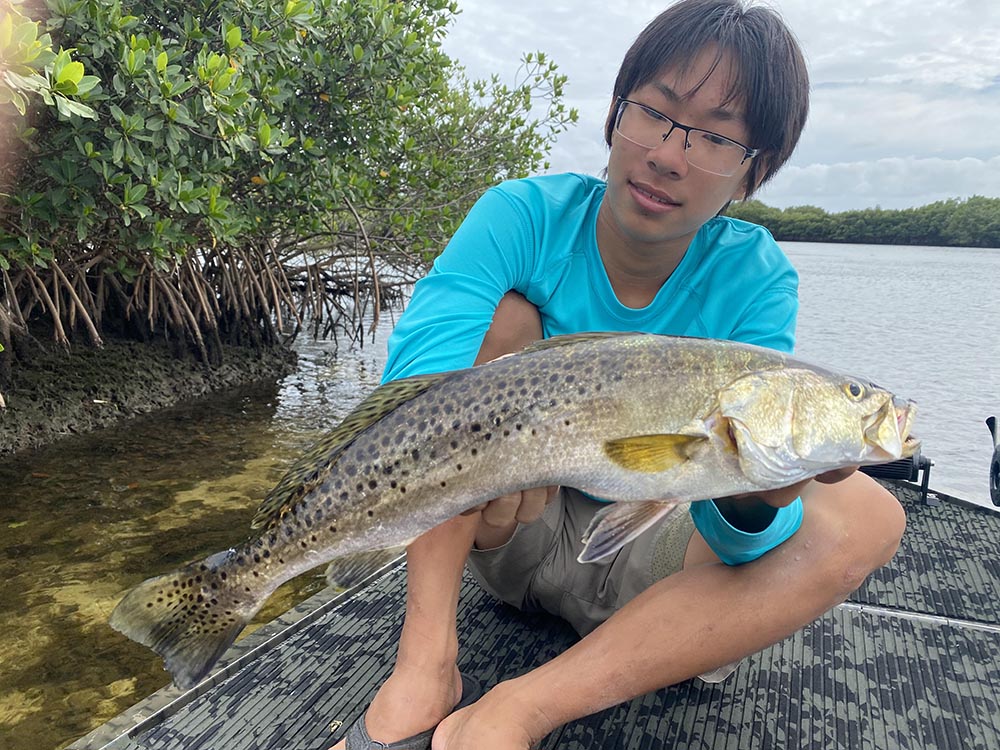
Spotted seatrout (Cynoscion nebulosus) are classic ambush predators, especially during the winter months when water temperatures in the Crystal River area hover in the low 60s. They have a lateral line system that’s extremely sensitive to vibration, which lets them track prey in shallow water even when visibility isn’t perfect. In January, they tend to school tighter and hold to slightly deeper troughs during low tides but will push up onto flats to feed as things warm through the day.
What we look for are sandy potholes inside grass flats or along the edge of spring-fed flows where the water temps remain a bit more stable. On sunny days, they’ll settle just inside those transitions, facing into the tide waiting for shrimp, mullet fry, or pinfish to drift past. The reason twitch baits and slow-sinking jigs work so well is that trout will often strike from below or behind — they’re not chasing like a mackerel, they’re intercepting. Using light fluorocarbon leader (15–20 lb) and downsized hooks improves hookup ratios when the bite is soft.
Flounder, too, tend to show up in potholes and current cuts in the same zones. They’ll hug the bottom and wait for anything drifting past. These guys are ambush pros, and a well-placed cast along a sand-to-grass transition is often all it takes. Late December through January is a sneaky-good time to target both species if you’re willing to slow things down and fish with precision.

Flounder (Paralichthys spp., typically Gulf flounder or southern flounder in this region) are bottom-dwelling ambush feeders that rely heavily on camouflage and stillness. They bury themselves in the sand with only their eyes visible and use a lightning-quick vertical strike to grab prey that swims overhead. In winter, they prefer subtle current seams or sandy depressions near grass lines—places where bait is likely to drift past without too much effort on their part.
The biggest key to flounder in January is bottom contact. You want your presentation dragging or hopping directly along the substrate. Soft plastics like curly-tail grubs or paddle tails rigged on 1/4 oz jigheads work great, but natural bait—especially finger mullet or live shrimp—produces when the bite is slow. Unlike other species, flounder often hit softly at first and then reposition the bait in their mouth. Giving it an extra second or two before setting the hook can make a big difference.
Catch-and-Release Shallow-Water Grouper
The most reliable window for keeping gag grouper in shallow water is usually in the fall, when cooler temperatures push fish tight to nearshore structure during the open season. Outside of that short harvest window, gag grouper are still present in Crystal River year‑round, but they’re a catch‑and‑release species for much of the year under current FWC regulations.
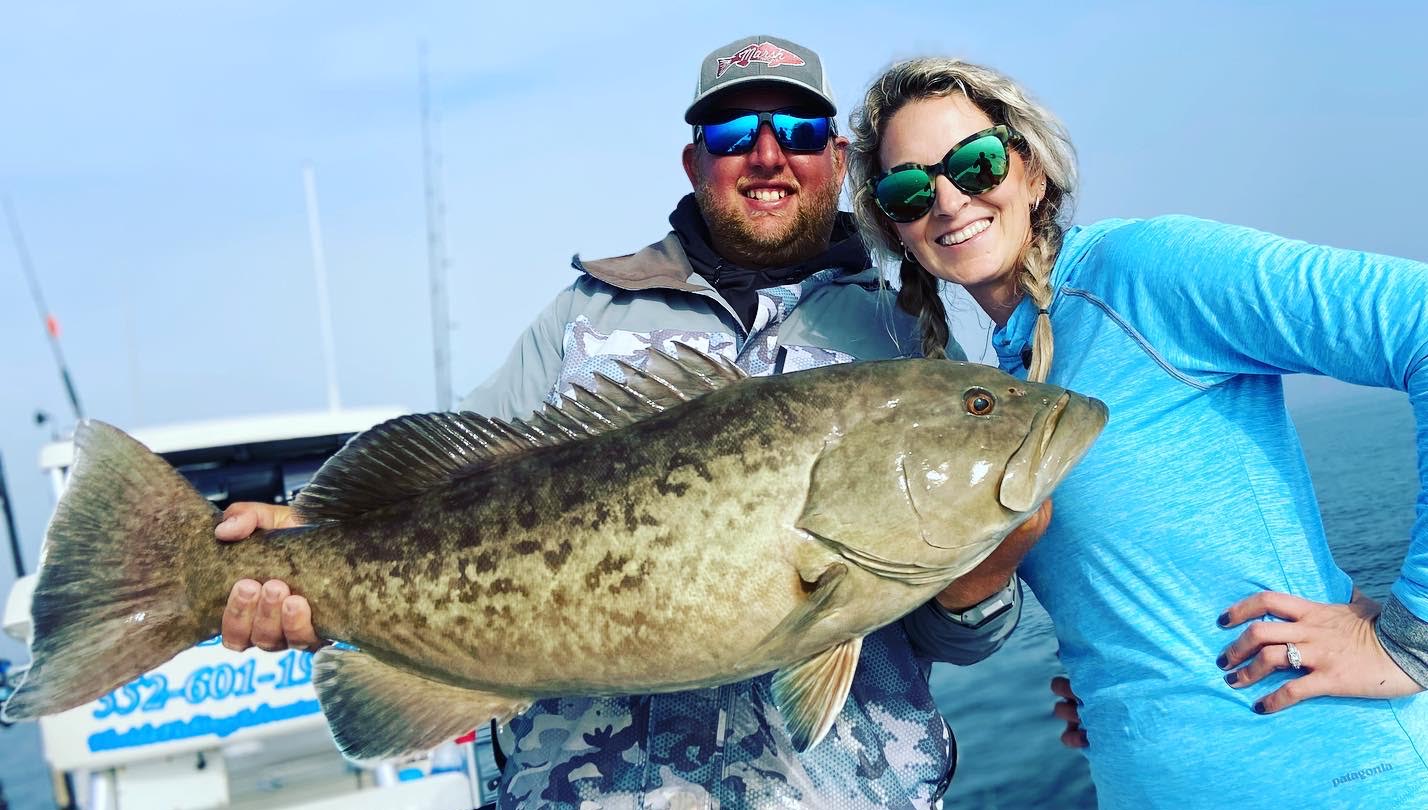
Even during the winter months, gag grouper continue to hold on shallow rock piles, limestone ledges, and hard bottom in the 8–20 foot range, especially after cold fronts when water temps drop and pressure stabilizes. They sit tight to structure, hit hard, and fight just as aggressively as they do any time of the year.
We still encounter grouper regularly while fishing shallow structure this time of year, often as part of mixed nearshore or inshore trips. When targeting these areas, fish with heavy leaders and stout spinning tackle, knowing any grouper hooked will need to be handled carefully and released quickly.
Season dates and regulations can change, so harvest opportunities depend on current FWC rules and whether you’re fishing state or federal waters. When the season is closed, grouper fishing becomes about the pull, not the cooler—and for most Crystal River fishermen, that’s still a win.
Crystal River January Fishing Trips
This is one of those sleeper windows that fishermen love: Fewer boats, clearer water, and dependable bites across the inshore flats and nearshore rock. You might not find a better month for targeting structure and technical shallow-water patterns in the same trip.
Whether you’re after a cooler full of sheepshead, redfish in backwater channels, or something else entirely—you’ve got plenty of options this month.
Ready to hit the water? Book your Crystal River charter now!

My husband is interested in learning how to fly fish. What are your rates?