Last Updated on March 19, 2026 by Eric Bonneman
March fishing in Crystal River is the turning point on Florida’s Nature Coast. You still get the clear water and late winter “fish are where they are supposed to be” predictability, but you also start seeing longer warm afternoons, more bait moving across the flats, and more days where the bite lasts instead of feeling like a short window.
If you want the most current snapshot before you pick a date, start with the latest updates on our Crystal River fishing reports. If you are tracking the seasonal progression, it also helps to compare March with February fishing in Crystal River, since early March often fishes like an extension of February until the weather settles into a true spring rhythm.
Why March Is Prime Time on the Nature Coast
March is a transition month, and Crystal River is a place that rewards transitions. A few degrees of warming, a little extra daylight, and steady bait presence can make redfish and trout behave like entirely different animals compared to mid-winter. You can still target winter holding water in the morning, but you also get more opportunities to slide shallow and hunt fish on the move once the sun has had time to warm the bottom.
Negative lows and big low-water periods can still show up in March, especially around strong moon tides. When they do, they pull fish off flats and push them into pockets, troughs, and spring-influenced areas. That “concentration effect” is one reason March can produce some of the most consistent mixed-bag action of the year. If you want the full breakdown of how low water changes the entire fishery, big winter tides and negative lows in Crystal River is a great foundation that still applies early in March.
Crystal River’s other advantage is stability. Springs keep water temperatures more consistent than most coastal systems, which is why fish stay catchable all winter and why spring ramps up quickly when conditions line up. If you want that bigger seasonal context, Inside Crystal River’s winter fishing season explains why this area stays productive when many other places slow down.
What’s Biting in Crystal River in March
March is a classic mixed-bag month. If you want a full species list and a sense of what is possible on any given day, the fish we catch in Crystal River page is a great reference. The short version is that March is when the inshore staples stay strong and the “spring extras” begin showing more often.
| Species | Where to focus in March | Best bite windows | High-percentage baits and presentations |
|---|---|---|---|
| Redfish | mud flats near depth, oyster edges, rocky shorelines, backcountry pockets and drains | late morning through afternoon, especially on warming trends and moving tides | live shrimp, weedless soft plastics, gold spoons, light jigs worked slow along edges |
| Spotted seatrout | grass flats with potholes, sand and grass transitions, troughs near the flats | low light early, then strongest once water warms and bait starts moving | soft plastics on light jigheads, suspending twitch baits with pauses early month, shrimp under a cork |
| Black drum | deeper depressions, soft bottom areas, edges near oysters and rock | sunny afternoons and stable weather stretches | shrimp or crab-style baits fished on bottom and kept in front of the school |
| Sheepshead | docks, pilings, rock and limestone, oyster bars, nearshore structure on calm days | moving water around structure, especially early March | shrimp pieces and crustaceans fished tight to structure with just enough weight |
| Flounder | cuts, sandy edges, troughs, and current funnels | moving water and tide changes | jigs and soft plastics worked near bottom, live shrimp when you want a slower, steadier approach |
| Spring “bonus” species | nearshore edges, markers, rock piles, and areas holding bait | late March warming and calm Gulf windows | match the day with jigs, spoons, and live bait depending on what is showing |
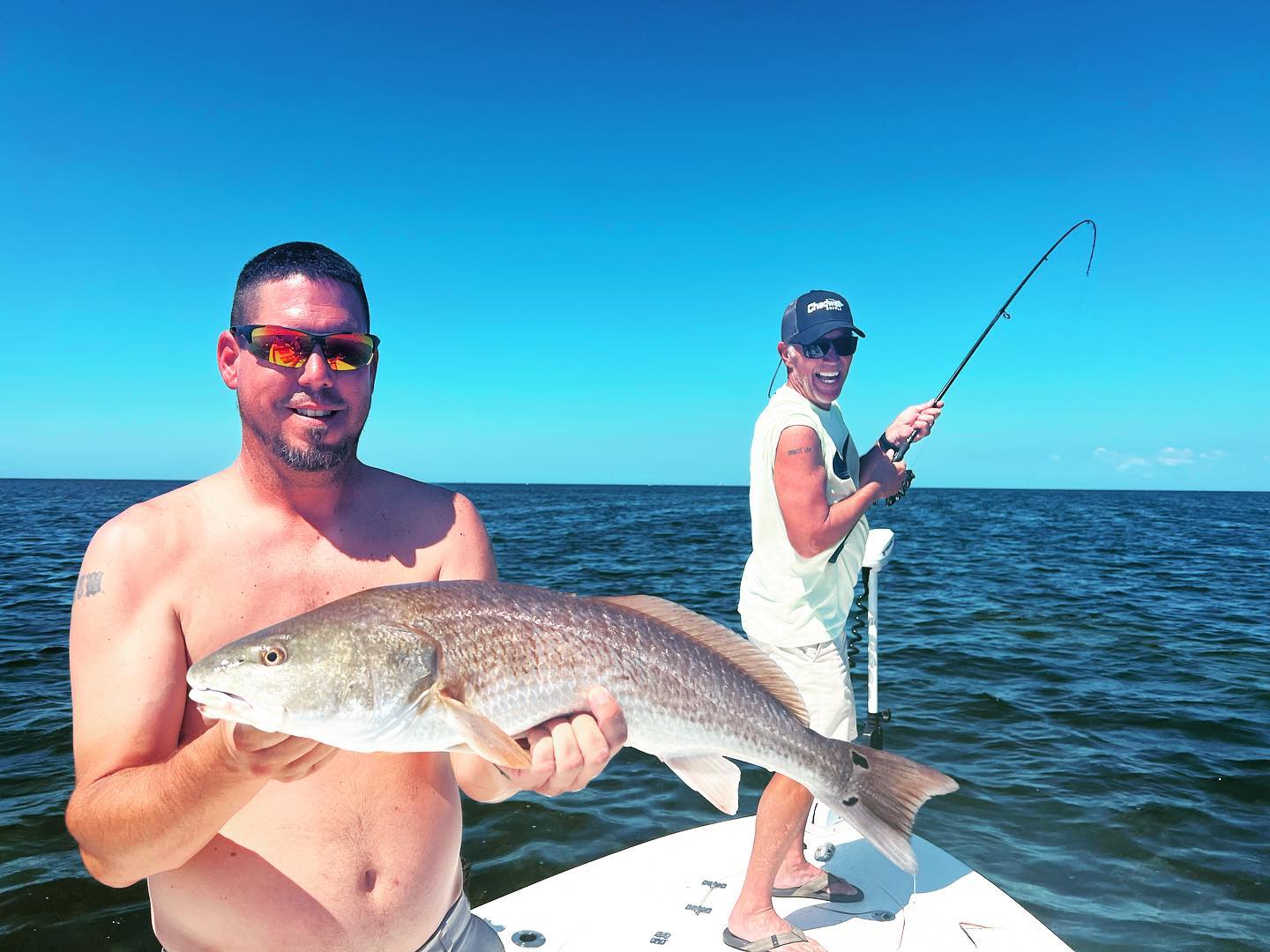
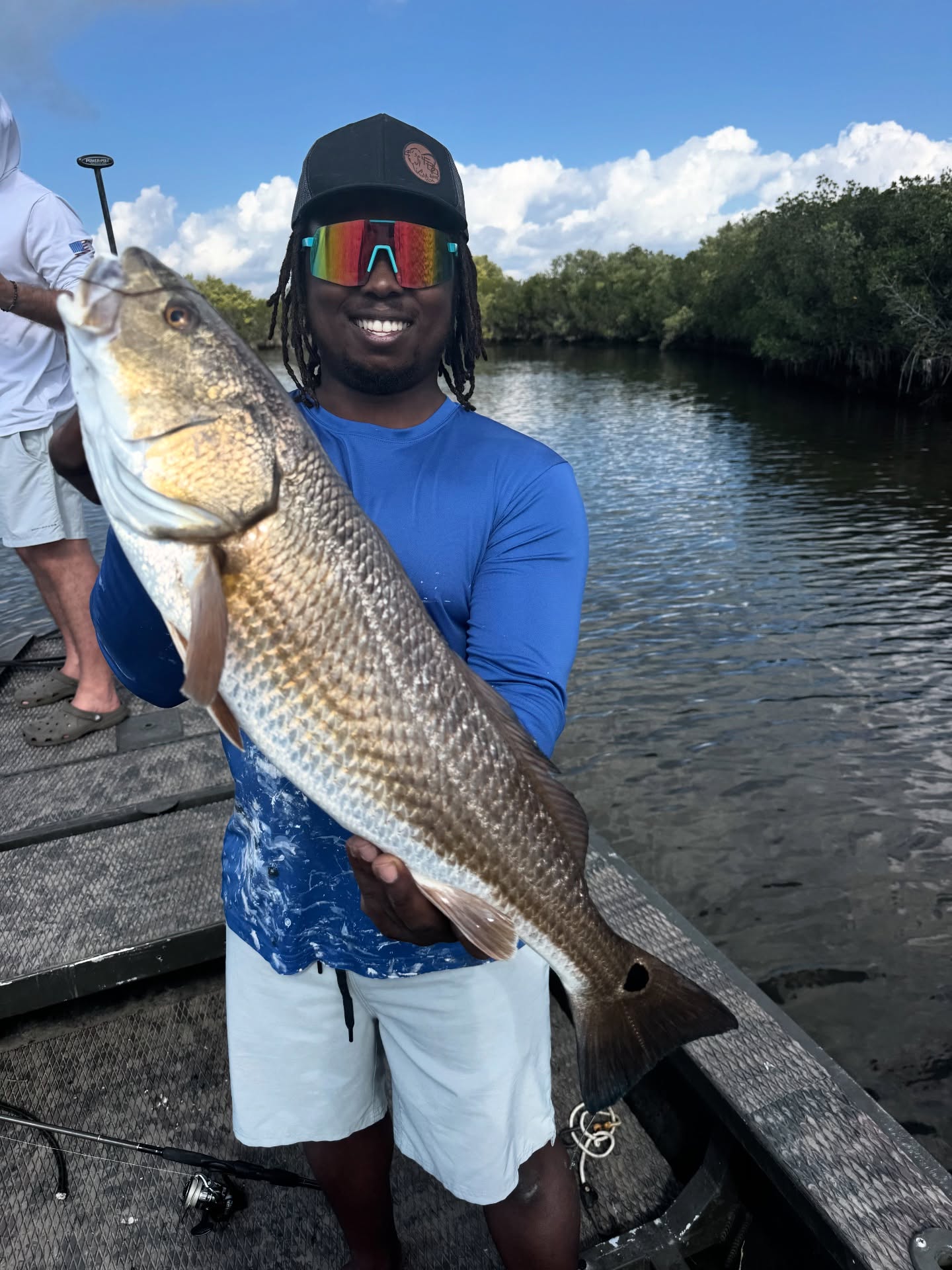
March Redfish
Redfish are the headline species in March because they bridge winter and spring perfectly. On cooler mornings, reds still favor stability: spring-influenced water, deeper bends, and edges that give them quick access to depth. As the day warms, they slide onto mud, oyster edges, and shallow flats to feed, often in very skinny water.
March is also a strong month for sight fishing when conditions cooperate. Clear water and the right sun angle make it possible to spot pushes, tails, and cruising fish across flats and along rocky shorelines. If you want a trip built around this style of fishing, our Crystal River extreme shallow fishing charters are designed specifically for working skinny water when low tides and clear conditions stack fish into predictable lanes.
For anglers who want the classic inshore mixed-bag day with redfish as the main target, our Crystal River inshore fishing charters are the best fit for March.
March Trout
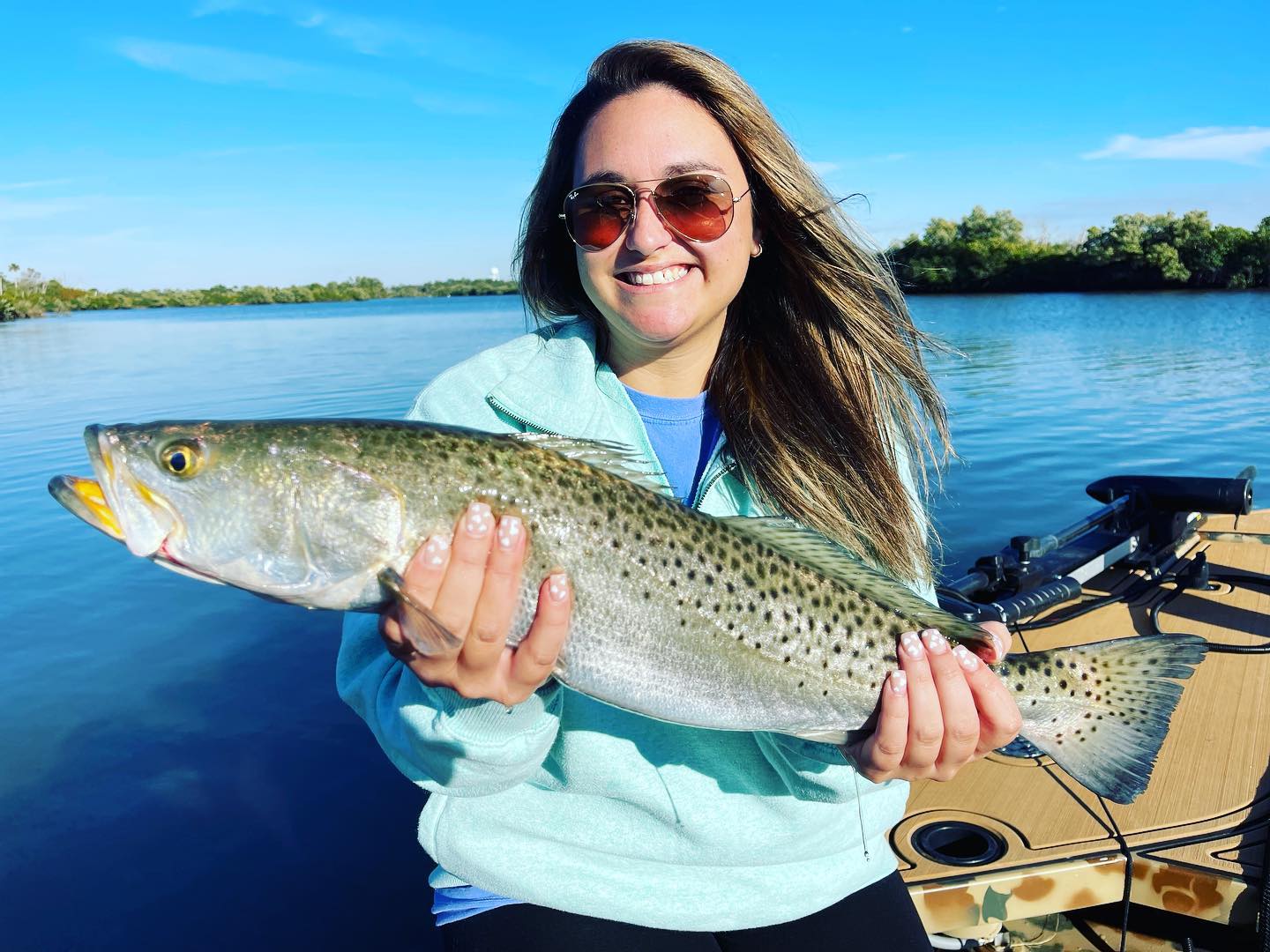
Trout fishing improves through March because the fish become more willing to roam and feed. Early in the month, they often hold in potholes, troughs, and slightly deeper grass edges, especially after a front. As the month progresses and bait becomes more active, trout will spread across grass flats and feed longer through the day.
A simple March trout rhythm is to fish slower early and speed up later. Longer pauses on twitch baits and slower soft plastic retrieves tend to work best on cool mornings. As afternoon water temperatures rise, trout become more willing to chase, and you can cover water more efficiently by drifting and fan casting likely pothole zones.

Sheepshead and Black Drum
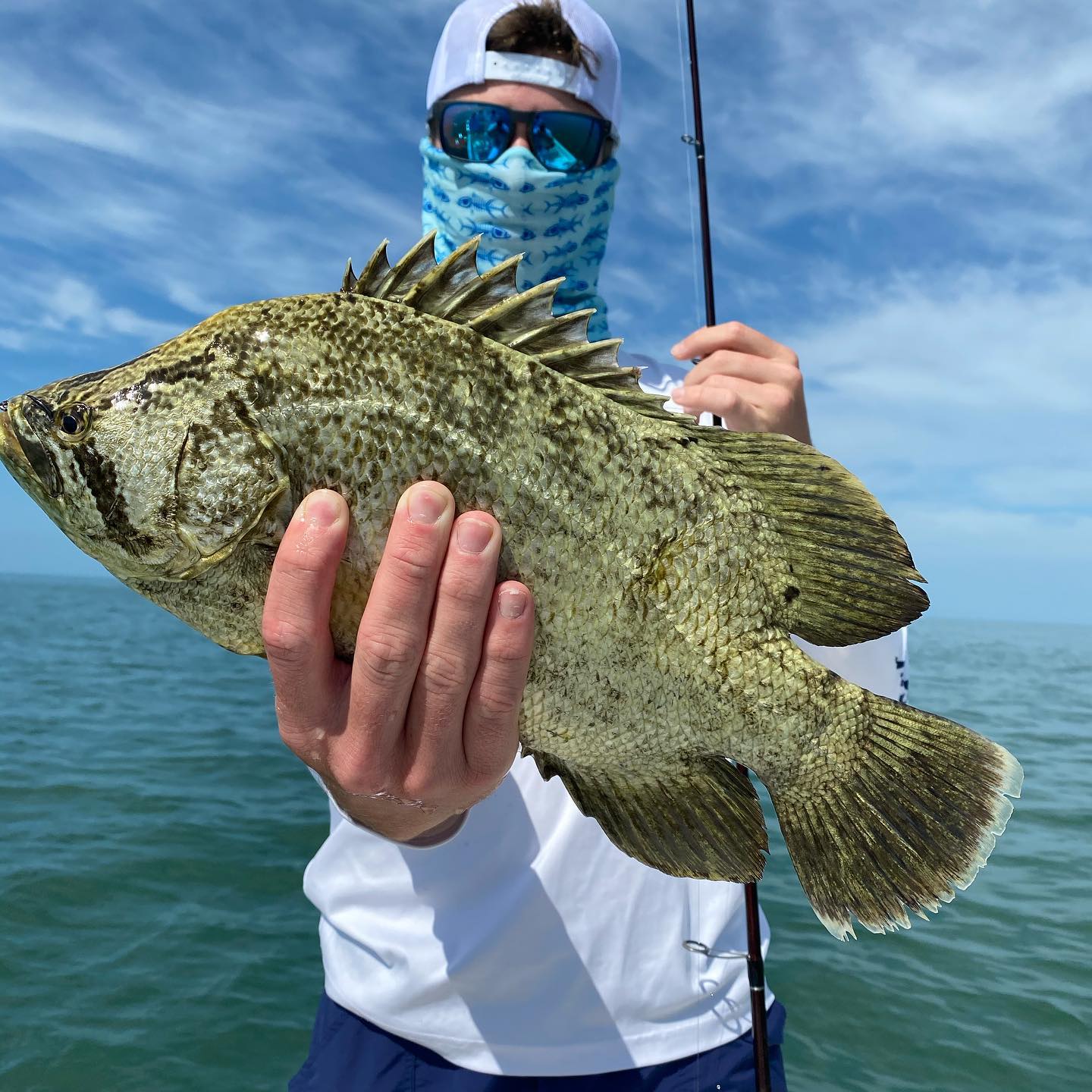
March is not “all spring all the time.” When wind is up, water is extra clear, or a front has just passed, structure species can be the most dependable plan. Sheepshead remain a great option around pilings, docks, rock, and hard bottom. Black drum often overlap in the same general areas, especially when they are traveling in pods and feeding on the bottom.
If your group loves steady action and does not mind a more technical bite, March structure fishing is a smart play. If you want to mix structure into your day, it helps to look at the full lineup of trip styles on our Crystal River fishing charter types page so you can match the day to your group and the forecast.
Late March Nearshore
Late March is when the Nature Coast starts dropping hints about what is coming next. Nearshore bait activity becomes more noticeable, and you can start seeing more of the “spring and early summer” species showing around structure when the Gulf lays down.
If your crew wants to add open-water options and target deeper structure, our Crystal River offshore fishing charters are a great fit when weather allows. For a deeper look at what spring offshore fishing builds into, what’s biting this spring offshore of Crystal River is a solid overview of the springtime lineup and how the offshore environment works here.
March is also the month where a lot of anglers start planning ahead for the next big seasons. If grouper is on your list for later in the year, preparing for the shallow grouper season off Crystal River is a good read while you are mapping out your calendar.
Tarpon Planning
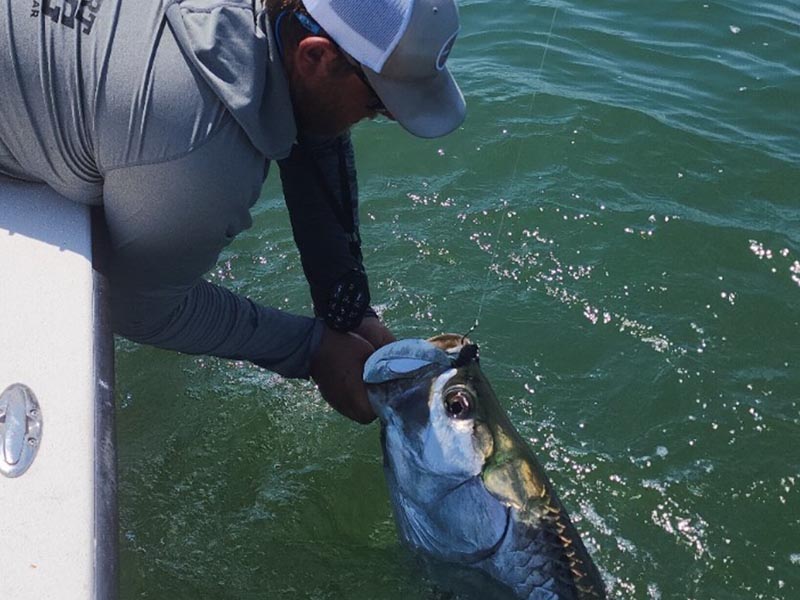
March is not peak tarpon season in Crystal River, but it is the perfect month to start planning for it. The most consistent tarpon action here builds into late April and peaks in May and June. If tarpon is your bucket-list target, take a look at Crystal River tarpon fishing trips and peak season timing, then explore our Crystal River tarpon fishing charters to pick the right trip style for your crew.
Where We Fish in March Around Crystal River
March is a “best water for the day” month. Depending on wind direction, tide height, and water clarity, March trips may focus on grass flats, potholes, rocky shorelines, backcountry drains, and spring-fed zones that stay stable through weather swings.
If you are visiting and want a quick orientation to the wider area, Crystal River, Ozello, and Homosassa fishing destinations explains what makes each zone unique and why this part of Citrus County offers so many different options within a short run.
March Fishing Game Plan
- Fish early March like winter until the weather proves otherwise. Start near depth in the morning, then slide shallow as the sun warms the bottom.
- Let low tides show you the map. Drains, troughs, potholes, and pinch points become obvious when water pulls off the flats.
- Prioritize moving water. Incoming and outgoing tides position fish along edges and seams, while slack water is usually slower.
- Stay stealthy in clear water. Long casts, quiet boat positioning, and natural presentations catch more fish in March clarity.
- Keep a structure pivot ready. If wind makes the flats tough, sheepshead and drum around hard structure can keep the day productive.
- Expect the bite to improve through the month. Late March often feels like the first real chapter of spring.
What to Bring on a March Charter
- light layers and a windproof top for the morning run
- polarized sunglasses for reading potholes and spotting fish
- sun protection including hat and sunscreen
- snacks and drinks for your group
- non-marking shoes with grip for a wet deck
- a small dry bag for keys, phone, and extra layers
If you want a simple breakdown of what is included and what to expect, our charter information page covers the basics. If you are curious about comfort, draft, and shallow-water capability, you can also check out our Crystal River charter boats.
Book a March Fishing Trip in Crystal River
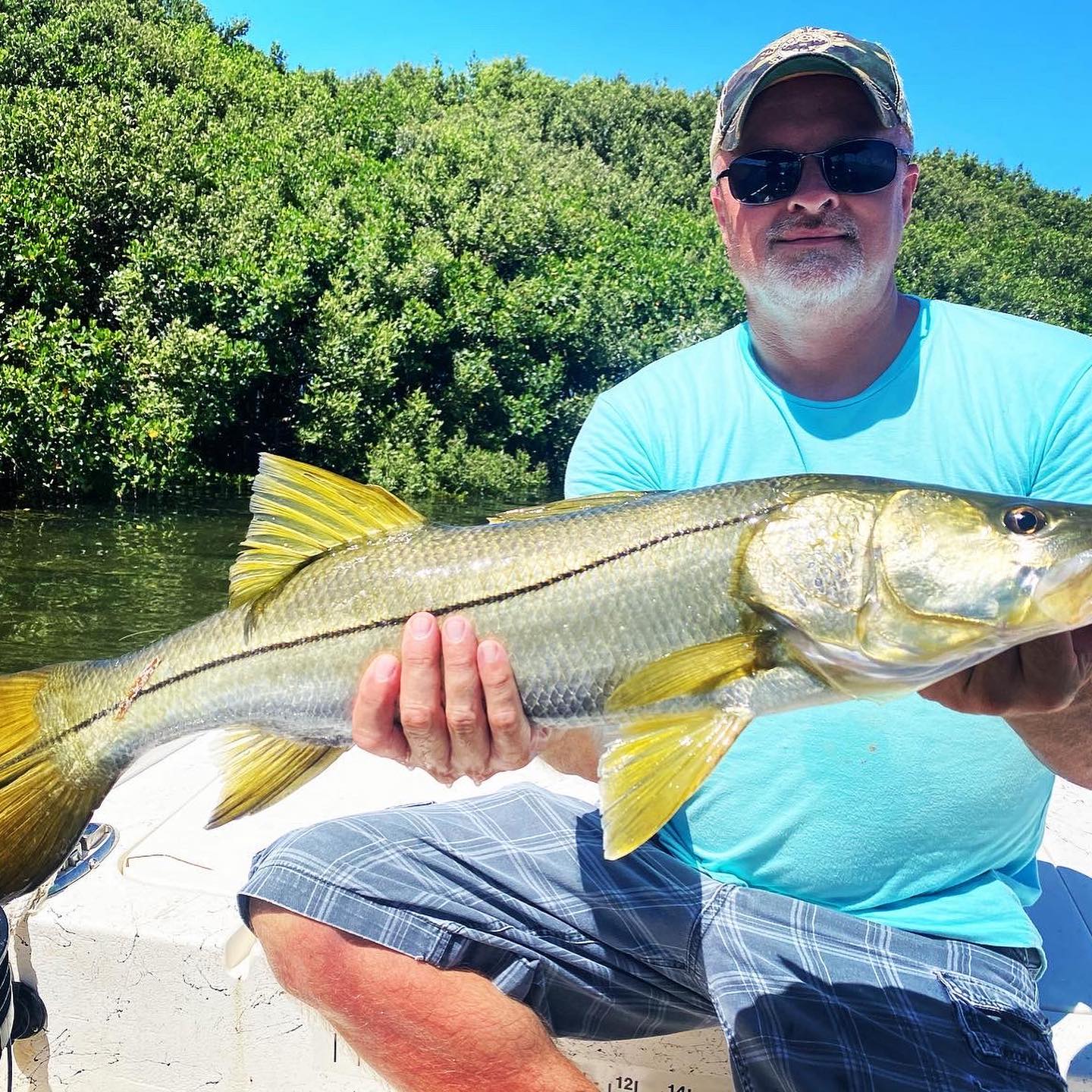
March is one of the best months to fish Crystal River because you get late winter reliability with spring upside. Redfish, trout, black drum, and sheepshead stay in play, and late-month conditions can open the door to more nearshore and offshore variety.
If you are ready to get on the calendar, you can reserve your date through online reservations. If you are traveling in and want to build the full trip around fishing, planning a Crystal River fishing vacation is a helpful guide for lodging, timing, and putting together a smooth Nature Coast itinerary. For anything else, reach out through the contact page and we will match your March trip to the best tides, weather window, and target species for your group.
